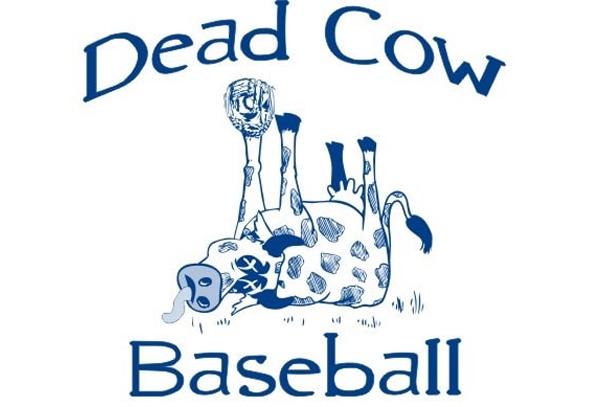
In the summer of 1997, I was running a youth baseball camp and the campers’ catch play was...lacking—to say the least. I called the campers up for a quick meeting, and I asked them what their gloves were made of. They all answered: “Leather!” I asked where the leather came from: some answered, “a cow.”
I explained the cow died just for us to have that baseball glove, so the least we could do was catch the ball with our gloves. I know that physical discipline is not always the best motivator, but we set a rule that if the ball touches the recipient’s glove and gets dropped, the player who dropped the ball would have to do five push-ups.
Conversely, if the player threw the ball past their partner, they too had five pushups. The results were immediate. The campers moved their feet, caught the ball with two hands, and most importantly, increased their amount of focus and concentration. The slogan we adopted became “We’re going to play better catch...or get stronger, so either way, it’s all good!”
With my high school teams and pitching staff on the junior college level we implemented this same “Dead Cows and Bad Throws” strategy on Mondays, Wednesdays, and Fridays.
Around the same time at one of Augie Garrido’s University of Texas baseball practices, I observed two outfielders playing catch and when there was an errant throw, the player who threw it had to go get the ball and the other player would move to his spot on the field.
I got the chance to ask Coach Garrido about the switching process and he explained it this way: playing catch is a symbiotic relationship where each player is committed to playing good catch and picking each other up, no matter the player’s status on the team: pro prospect, starter, back-up or role player. We ended up calling this catch play strategy “UT Switch” and our players would do this on Tuesday, Thursday, and Saturday.
Another caveat we add—that I’m sure most others do—is making sure position players play catch with each other so they can end up working on infielder relay throws, outfielder “do or die” throws, and catcher throws/footwork to bases.
We have another throwing game called “3, 2, 1”, where if the ball is caught at the player’s face, it’s three points, at their chest two points, and at the waist one point. Any other spot is no points, and the first player to 21 points wins.
More than a decade after the “Dead Cow” strategy was born, I was an assistant at Seven Lakes High School in Katy, Texas, working with a local sporting goods store. I told the story to a rep named Jes Rathke and he went ahead and drew up a logo for me and we made T-shirts for our players to wear on what eventually became “Dead Cow Wednesday.” Just another fun way to respect the cow “who gave all” and take better care of the baseball!